Used BMW 3 Series Review 2026: The Executive Standard
For generations, the BMW 3 Series has served as the definitive benchmark for the compact executive saloon. In the used car market, it occupies a coveted position: it is the aspirational choice for young professionals, the reliable workhorse for business commuters, and the driving enthusiast’s favourite. While it carries a premium badge, its sheer volume on the secondary market makes it an surprisingly accessible option for those seeking a step up in quality and performance.
Whether you are looking for the efficiency of a diesel for long motorway hauls or the sharp handling of a petrol saloon for the B-roads, the 3 Series remains the “goldilocks” of the executive class. In this review, we explore why this model continues to dominate search trends in 2026 and what you need to know before putting one on your driveway.
Quick Verdict
The BMW 3 Series is arguably the most complete executive car you can buy second-hand. It masterfully blends sharp driving dynamics with a high-quality, tech-forward cabin. While its rivals—like the Audi A4 or Mercedes-Benz C-Class—may offer different strengths, the 3 Series is consistently the best all-rounder. For 2026 buyers, the G20 generation (2019–present) is the pinnacle of the line, offering modern connectivity and refined powertrains that feel years ahead of the competition.
Pros & Cons
Pros
- Driving Dynamics: Class-leading balance between agility and ride comfort.
- Interior Tech: The iDrive system remains the most intuitive infotainment interface in the industry.
- Engine Variety: A range of world-class petrol and diesel engines that offer exceptional efficiency.
- Residual Values: Holds its value significantly better than most mainstream rivals.
- Touring Practicality: The estate version is arguably the most handsome and useful iteration.
Cons
- Tech Reliance: The shift away from physical climate buttons in newer models can be divisive.
- PHEV Compromises: Plug-in hybrid models suffer from a significantly reduced boot capacity.
- Maintenance Costs: Servicing and repairs at official dealers command a premium.
- Run-flat Tyres: Standard fitment on many models can make the ride slightly jittery on poor surfaces.
Why Buy Used?
Buying a 3 Series used is a smart fiscal move. Because it is a favourite in the corporate fleet market, there is a steady stream of well-maintained, high-spec lease returns entering the used market every year. This means you can find three-year-old examples with full service histories, lower-than-average mileage, and high-end optional extras at a fraction of the original “new” list price.
Exterior Design
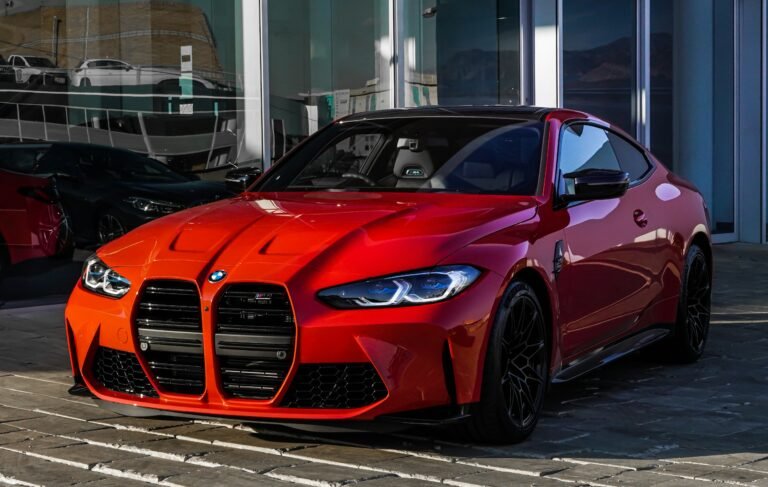
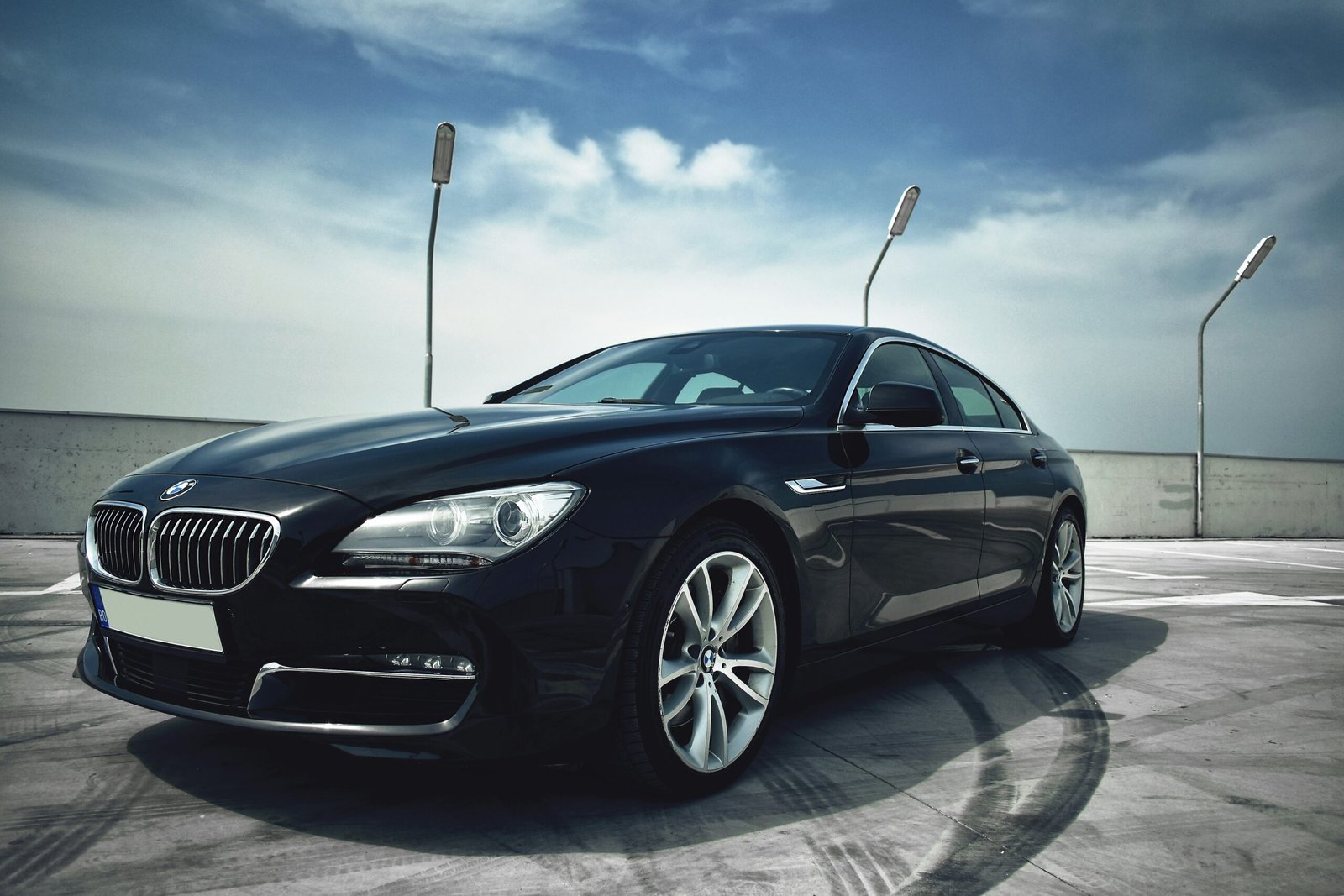
The G20-generation 3 Series strikes a perfect balance between aggressive and mature. It retains the signature Hofmeister kink and the classic kidney grilles, which, while bolder than in the past, remain well-proportioned. The M Sport styling packages add a touch of athleticism that keeps the car looking current, even as it nears its mid-life cycle.
Interior Quality
Step inside, and it is clear why the 3 Series is a class leader. The materials are premium, the build quality is tight, and the driver-focused cockpit makes everything feel intentionally placed. Unlike many competitors that rely on flashy, thin plastics, the 3 Series uses dense, high-quality touchpoints that age remarkably well.
Comfort & Practicality
Comfort
The front seats offer excellent bolstering, essential for long-distance comfort. The driving position is low and sporty, yet easily adjustable for drivers of all heights. Road and wind noise are suppressed effectively, making it a serene place to spend time during a daily commute.
Boot Space
The saloon offers a respectable 480-litre boot, which is sufficient for most families. However, if you have heavy hauling needs, the 3 Series Touring (Estate) is the superior choice, offering a wider, more accessible load area and a split-opening tailgate that is a genuine highlight for convenience.
Engine Options & Performance
- 320d (Diesel): The hero of the fleet. It provides massive torque for effortless overtaking and incredible motorway fuel economy (often 50+ mpg).
- 320i (Petrol): A refined, punchy petrol unit that is ideal for those who do less mileage and prefer a quieter idle.
- 330e (Plug-in Hybrid): Perfect for company car drivers or those with short commutes and home charging. It offers a decent electric-only range but reduces boot space.
- M340i (Petrol): The “M-Lite” hero. For those who want genuine performance without the punishing running costs of the full-fat M3.
Technology & Infotainment
BMW’s iDrive system is the benchmark for infotainment. The rotary controller allows you to navigate complex menus without taking your eyes off the road—a massive safety and usability advantage over touch-only systems. The digital instrument cluster is sharp, and wireless smartphone integration is standard on most models from 2020 onwards.
Reliability & Common Problems
The 3 Series is robust, but it is a complex piece of engineering.
- Service History: Only consider vehicles with a full, verified history. A “missing” service is a major red flag for resale value and long-term health.
- Cooling Systems: On high-mileage examples, check for any signs of coolant leaks or overheating.
- Suspension: The sophisticated suspension is a delight to drive, but it can be sensitive to heavy pothole impacts. Listen for any knocking sounds during a test drive.
- Software Updates: For G20 models, ensure the infotainment software has been updated to the latest version to prevent connectivity glitches.
Buying Advice
- Mileage Considerations: BMW engines are designed for longevity; a well-serviced 100k-mile example can often be a better buy than a poorly serviced 40k-mile one.
- Vehicle History Check: Use a professional service to check for outstanding finance, insurance write-offs, or mileage discrepancies.
- Tyre Condition: Ensure the car is fitted with premium tyres. Cheap, mismatched tyres can ruin the precise handling that the 3 Series is known for.
- Test Drive Tip: Spend time checking the electronic driver aids—lane departure, cruise control, and parking sensors—as these can be costly to rectify if they fail.
Running Costs
- Insurance: High. Expect to pay more than you would for a mainstream Ford or Vauxhall.
- Tax: VED (Road Tax) can be steep for newer, high-spec models that retailed over £40,000, as they are subject to the “luxury car supplement.” Check the specific vehicle’s tax status before buying.
- Servicing: Budget for annual maintenance at a specialist to keep the car running perfectly.
Expert Rating Table
| Category | Rating |
| Reliability | 4.0/5 |
| Running Costs | 3.5/5 |
| Performance | 5.0/5 |
| Comfort | 4.5/5 |
| Interior | 5.0/5 |
| Technology | 5.0/5 |
| Practicality | 4.0/5 |
| Safety | 5.0/5 |
| Value for Money | 4.0/5 |
| Overall Score | 4.4/5 |
Frequently Asked Questions (FAQ)
- Is the 3 Series good for families? Yes, it is spacious enough for a family of four, though the estate (Touring) adds significantly more practicality.
- Which model year is best? The G20 generation (2019 onwards) offers the best balance of tech and reliability.
- Are BMW parts expensive? They are more expensive than non-premium brands, but parts are widely available.
- Is the 320d still worth buying? Absolutely, especially if you drive more than 12,000 miles a year.
- What is the “M Sport” trim? It includes upgraded suspension, sportier styling, and better interior trim.
- Does the 330e hybrid drive well? Yes, but it feels heavier due to the battery weight.
- How long do brakes last? Depends on driving, but be prepared for replacements every 30,000–40,000 miles.
- Does it come with a spare tyre? Generally, no; it relies on run-flat tyres or an inflation kit.
- What is the real-world mpg for a 320i? Expect 35–40 mpg on a long run.
- Is the 3 Series fun to drive? It is widely regarded as the best-handling saloon in its class.
Conclusion
The BMW 3 Series is a car that rarely disappoints. It strikes a rare balance: it is professional enough for the office car park and exciting enough for a weekend drive on a favourite road. While it demands a bit more in terms of maintenance and insurance than a standard hatchback, it rewards the owner with a level of refinement and engagement that few cars can match. If you find a well-cared-for example with a full service history, you are buying into one of the most satisfying ownership experiences in the UK car market.