12 Months with the Hyundai Tucson: Living with the UK’s Favourite Family SUV
Quick Verdict
After 12 months and 12,000 miles, the Hyundai Tucson proves exactly why it remains a UK sales juggernaut. It is a masterclass in compromise—blending striking aesthetics, exceptional standard equipment, and genuinely family-friendly practicality. While the infotainment system occasionally requires a digital “nudge” and the dual-clutch transmission can be temperamental in heavy traffic, the Tucson’s five-year unlimited-mileage warranty and solid overall reliability make it one of the most sensible, stress-free ways to transport a family in 2026.
Introduction
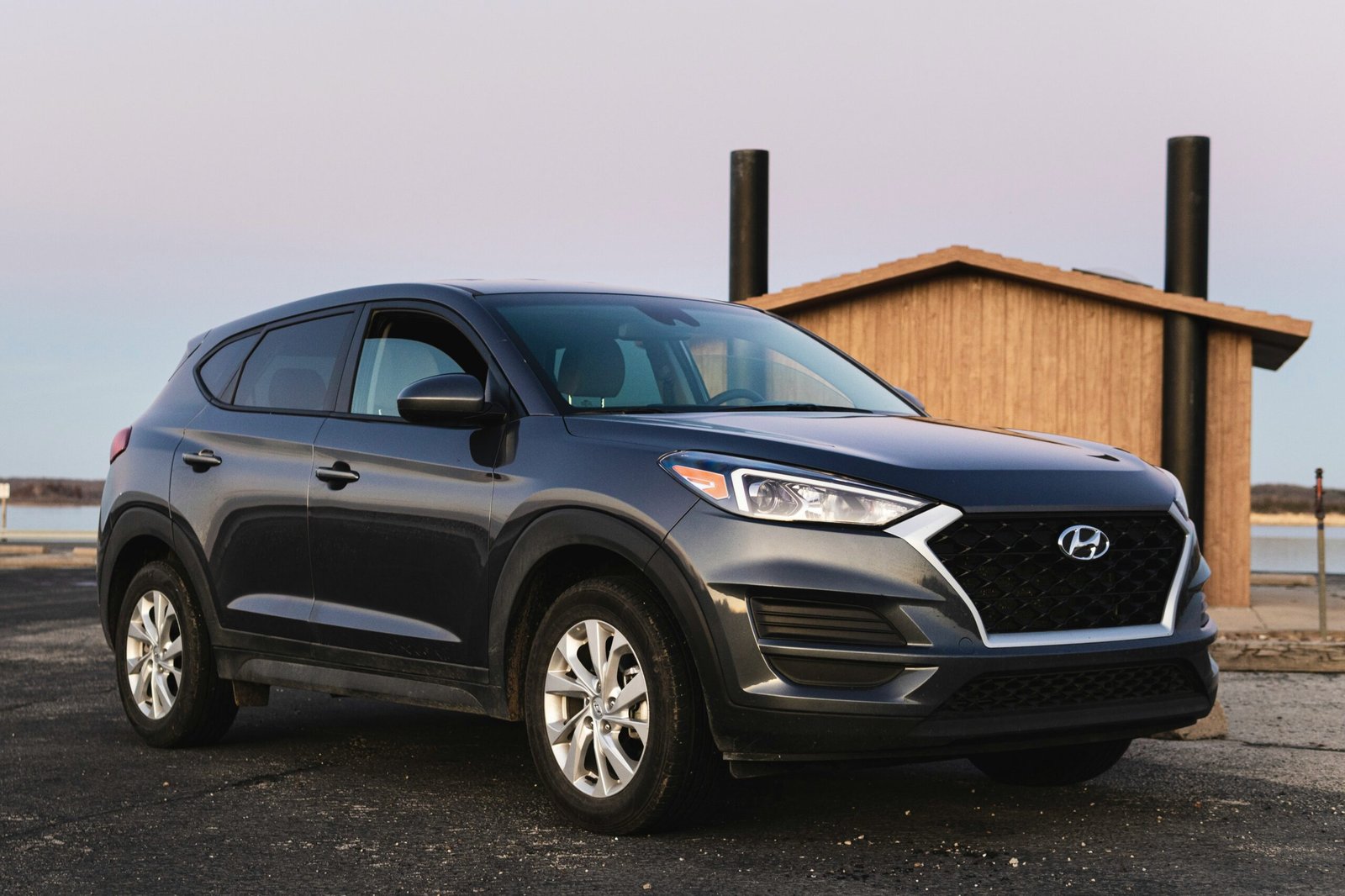
When the current-generation Hyundai Tucson first arrived, its “parametric hidden lights” and sharp, angular styling were a shock to the system. Twelve months ago, when the keys to our Ultimate trim Hybrid model were handed over, the primary question wasn’t about the design, but about the substance: can a car that prioritises style really handle the rigours of 12 months of British family life?
As an automotive journalist, I’ve driven almost everything in the mid-size SUV segment. But a week-long press loan is nothing like the grind of the school run, the muddy weekend football trips, or the motorway slogs that define real-world ownership. This long-term review isn’t a showroom summary—it’s an honest account of 12 months spent living with the Tucson.
What We Tested
- Model: Hyundai Tucson Ultimate Hybrid
- Engine: 1.6 T-GDi Petrol Hybrid
- Transmission: 6-speed Automatic
- Mileage at Start: 1,200 miles
- Mileage at End: 13,200 miles
Living With The Car
Daily Driving Experience
For the first six months, the Tucson served as a commuter vehicle and a weekend family hauler. In town, the hybrid system is a delight, shuffling between electric and petrol power with remarkable smoothness. The ride quality is generally composed, though it can become a little “jittery” over the sharp, urban potholes that plague our B-roads.
On the motorway, the Tucson comes into its own. It is impressively quiet, with minimal wind noise around the A-pillars—a common bugbear in this class. The seats, featuring both heating and ventilation, have proven supportive enough for 300-mile trips without causing back fatigue.
Fuel Economy After Long-Term Ownership
In the real world, the Hybrid powertrain has settled into a comfortable rhythm. We’ve averaged 46.8 mpg across a mix of motorway and urban driving. While it doesn’t quite match the manufacturer’s official “perfect condition” figures, it is a highly respectable result for a vehicle of this size and capability. On steady 65mph motorway cruises, I’ve seen that figure climb north of 50 mpg, which is testament to the efficiency of the 1.6-litre petrol engine when paired with the electric motor.
Reliability After Long-Term Ownership
Reliability is the cornerstone of the Tucson experience. Aside from one software glitch that caused the infotainment screen to flicker during a cold start—which was swiftly resolved with an over-the-air update—the car has been faultless. There have been no unexpected visits to the dealer, and no mechanical hiccups.
However, it is worth noting that some owners on enthusiast forums report occasional hesitation from the dual-clutch transmission (though my hybrid model’s traditional 6-speed automatic has been silkier). It’s a reliable machine, but like all modern cars, it relies heavily on software that expects regular updates.
Maintenance Costs
- Servicing: Hyundai’s fixed-price service plans have kept our maintenance costs predictable.
- Tyres: We are still on the original set, with roughly 4mm of tread remaining—reasonable wear for a front-wheel-drive SUV with this level of torque.
- Brakes: The regenerative braking system has preserved the physical pads significantly; they show little sign of wear after 12,000 miles.
Interior After Years Of Use
The interior has held up remarkably well. The leather upholstery on the Ultimate trim shows minimal creasing, and the various soft-touch materials on the dashboard haven’t developed any of the dreaded “squeaks and rattles” that often plague family SUVs after their first winter. The steering wheel, which is handled daily, remains free of shine, suggesting high-quality finishings.
Practicality
If you’re a family of four, the Tucson is essentially a Tardis. The rear legroom is class-leading, easily accommodating teenagers, and the ISOFIX points are accessible and clearly marked. The boot, offering roughly 600 litres of space, swallows a full weekly shop without needing to fold the rear seats. The only minor complaint? The parcel shelf is a little flimsy compared to the ruggedness of the rest of the cabin.
Technology After Years
The 10.25-inch touchscreen was impressive when new, and it remains functional today. However, the lack of physical buttons for every shortcut can be distracting. Apple CarPlay and Android Auto work reliably, though they require a wired connection on some models—a slight annoyance in an era where wireless connectivity is becoming the norm.
What We Love
- Striking Aesthetics: It still turns heads in the car park.
- Exceptional Warranty: The 5-year unlimited-mileage warranty is the gold standard for peace of mind.
- Comfort: The seating position and ride quality are ideal for long-distance cruising.
- Standard Kit: Even lower trims come loaded with tech that rivals charge thousands more for.
What We Don’t Like
- Infotainment Interface: The reliance on touch-sensitive panels for climate control can be fiddly.
- Blind Spots: The stylish, thick C-pillars create significant blind spots when reversing.
- Software Glitches: Occasional lag in the infotainment system during rapid input.
Biggest Surprise
The sheer durability of the cabin. Family cars usually look “lived in” within six months, but the Tucson has resisted the usual stains, scratches, and trim wear that define a life with children. It feels built to last a decade, not just a lease term.
Biggest Disappointment
The lack of physical volume and climate controls. While the design looks minimalist and clean, adjusting the temperature while driving on a bumpy road requires too much focus on the screen.
Would We Buy It Again?
Yes. Without hesitation. The Tucson occupies a “sweet spot” in the market—it’s not as expensive as the premium German rivals, yet it feels more substantial than many budget alternatives. For a family needing one car to do everything, it is exceptionally hard to beat.
Best Alternative Cars
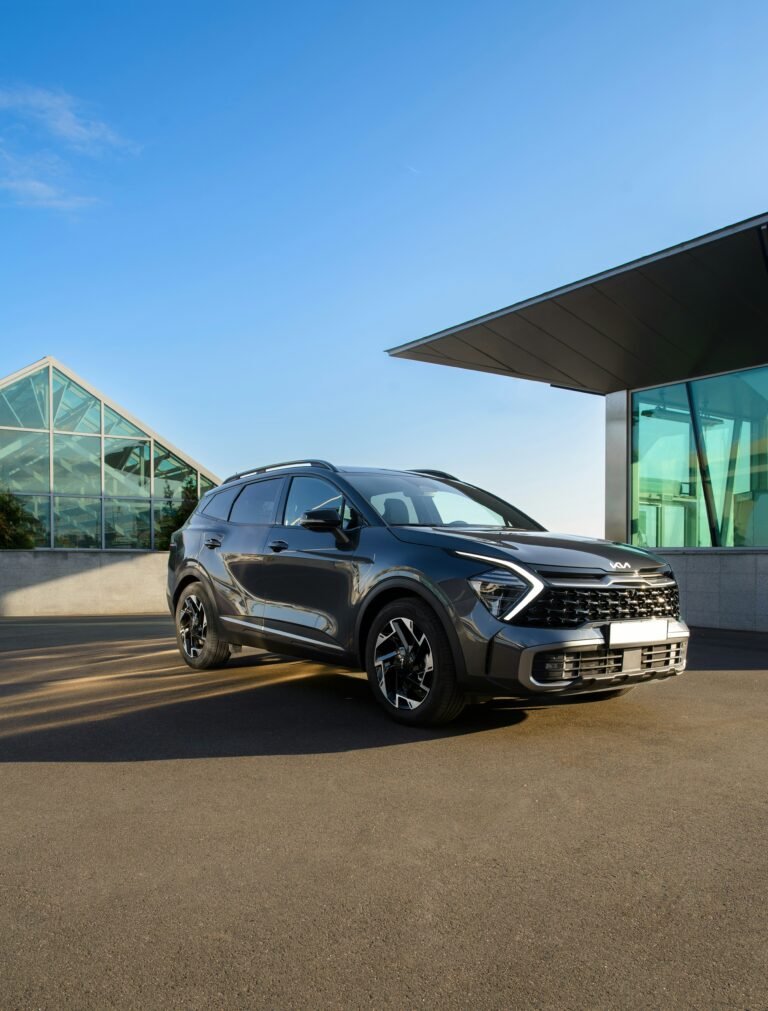
- Kia Sportage: Essentially the Tucson’s mechanical cousin. It shares the same reliability but offers a slightly different design language and an even better 7-year warranty.
- Nissan Qashqai: The pioneer of the segment. The e-Power system is brilliant for urban driving, though it lacks the sheer interior space of the Hyundai.
- Skoda Kodiaq: If you need seven seats or a cavernous boot, the Kodiaq is the practical choice, though it commands a higher price tag.
Expert Rating
- Reliability: 4.5/5
- Comfort: 4.5/5
- Practicality: 5/5
- Running Costs: 4/5
- Performance: 4/5
- Interior: 4/5
- Technology: 3.5/5
- Fuel Economy: 4/5
- Value for Money: 5/5
- Overall Score: 4.4/5
FAQs
- Is the Hyundai Tucson expensive to maintain? No, servicing is competitive and the 5-year warranty covers most major component failures.
- Does the Tucson hybrid have a CVT gearbox? No, it uses a traditional 6-speed automatic, which provides a more natural driving feel.
- How much boot space does the Tucson offer? It offers approximately 600 litres, one of the best in its class.
- Are there common electrical issues? Some owners report minor infotainment freezes, usually fixed by software updates.
- Is the Tucson good for towing? It’s capable for light to medium loads, but check your specific engine’s towing capacity.
- Does it have wireless Apple CarPlay? It depends on the trim and software version; many newer models have had this updated via OTA.
- Is the Tucson reliable after 50,000 miles? Current data suggests the mechanicals are robust well beyond this mileage.
- How do I update the infotainment software? Most updates are performed via OTA (Over-The-Air) or by the dealer during a service.
- Are the seats comfortable for long journeys? Yes, they are highly regarded for support and adjustable lumbar comfort.
- Is the Tucson worth the money compared to premium brands? Yes, it offers similar build quality and more equipment for significantly less money.
Final Verdict
The Hyundai Tucson is the thinking person’s SUV. It doesn’t rely on a badge to justify its price, nor does it cut corners on equipment. After 12,000 miles, it remains a comfortable, reliable, and deeply practical companion that hasn’t missed a beat. If you are looking for a car that will handle the chaos of family life with style and security, the Tucson is currently the benchmark to beat.