Is 2026 the Year to Switch to an Electric Vehicle? Your Complete UK Ownership Guide
Quick Answer
Yes, 2026 is an excellent time to make the switch to an electric vehicle (EV). With the UK market offering a wider range of affordable models, significant Benefit-in-Kind (BiK) tax advantages, and rapidly maturing charging infrastructure, electric ownership is more practical and cost-effective than ever [1.1.1, 1.2.1, 1.4.2]. If you have access to off-street parking for home charging, the potential for long-term savings on fuel and maintenance is substantial [1.4.2].
Introduction
The electric vehicle (EV) landscape in the UK has shifted from a niche alternative to a mainstream reality. As we reach mid-2026, the transition is moving forward at pace, driven by a surge in manufacturer investment, diverse model availability, and a clearer financial argument for both private and company car drivers [1.1.1, 1.4.2].
For many, the question is no longer if they will switch to electric, but when. This guide aims to demystify the ownership experience, covering everything from the reality of charging costs and battery longevity to the latest government incentives designed to make your next car purchase a smarter, greener choice.
Understanding Electric Vehicles
At their simplest, EVs replace the internal combustion engine (ICE) with a battery pack and electric motor(s). However, the technology is highly sophisticated:
- Battery Technology: Modern lithium-ion batteries use advanced thermal management systems to maintain performance in extreme UK temperatures [1.4.1].
- Electric Motors: These provide instant torque—that “push in the back” feeling when you accelerate—making city driving and motorway merging exceptionally smooth [1.4.2].
- Regenerative Braking: A hallmark of EVs, this system captures energy usually lost during braking and feeds it back into the battery, simultaneously slowing the car and extending your range [1.4.2].
Main Benefits Of Electric Cars
Drivers who make the switch rarely look back, citing several key advantages:
- Lower Running Costs: Electricity is significantly cheaper per mile than petrol or diesel, especially when charging at home on smart, off-peak tariffs [1.3.2, 1.4.2].
- Reduced Maintenance: With far fewer moving parts—no oil, spark plugs, or exhaust systems—EVs typically require less frequent and less expensive servicing [1.4.2].
- Quiet & Smooth: The absence of engine vibration and noise creates a serene driving environment, notably reducing fatigue on long journeys [1.4.2].
- Environmental Impact: EVs produce zero exhaust emissions, contributing to cleaner air in our towns and cities [1.4.2].
Main Challenges Of EV Ownership
While the benefits are clear, it is important to be realistic about the potential hurdles:
- Charging Infrastructure: While 94% of EV owners rate their local public charging access as “good,” those without off-street parking must rely on public or workplace networks, which requires more planning [1.4.1].
- Initial Purchase Price: While price parity with petrol cars is narrowing, the upfront cost for some long-range models can still be higher [1.4.2, 1.4.3].
- Range Anxiety: Often a myth for experienced owners, but still a consideration for those who frequently cover very long distances without planning stops [1.4.1].
Charging Guide
Charging is the biggest change in lifestyle for new EV owners, but it becomes second nature quickly.
Home Charging
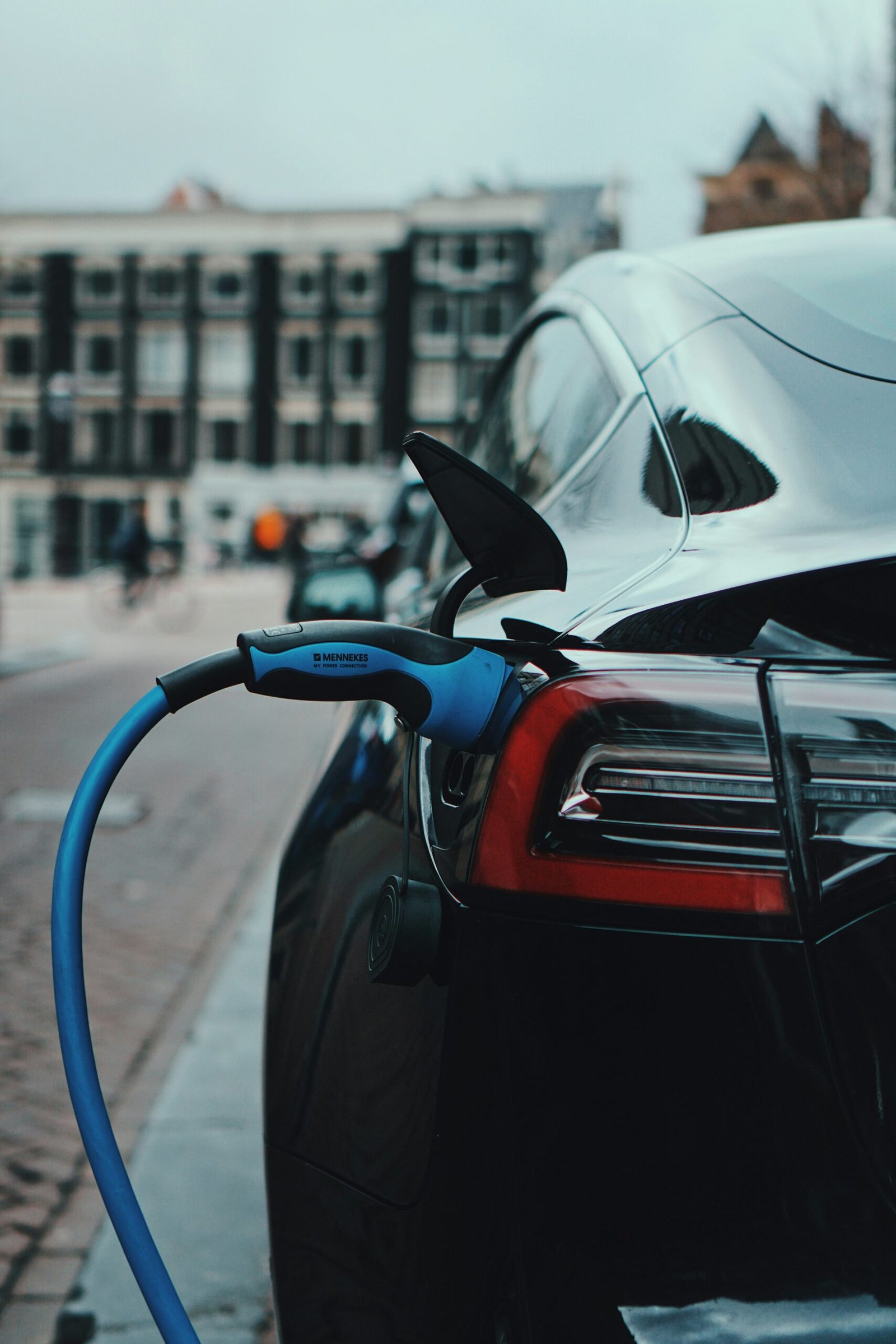
This is the “gold standard” for convenience. Plug in overnight, and you wake up to a full battery every morning [1.4.2].
- Cost: As of July 2026, charging on a standard tariff costs roughly 26.11p per kWh [1.3.1]. By using a smart, off-peak tariff (e.g., 7p per kWh), you can reduce costs drastically [1.3.2].
- Grants: If you live in a flat or rented property, you may be eligible for the OZEV Residential Grant, which offers 75% off (up to £350) the cost of installing a home charger [1.2.2].
Public & Rapid Charging
Essential for long journeys. Rapid chargers can add significant range in just 20–30 minutes [1.4.1].
- Networks: There are numerous networks (e.g., Ionity, Instavolt, Osprey, BP Pulse) [1.3.2]. Prices vary, so using a routing app to plan stops is highly recommended [1.4.1].
Battery Life Explained
Battery health is the most common concern for prospective buyers, yet reality paints a reassuring picture.
- Degradation: Batteries do lose a small amount of capacity over time, but most modern systems are designed to last the life of the vehicle [1.4.1].
- Warranty: Most manufacturers provide an 8-year or 100,000-mile warranty specifically for the battery, ensuring peace of mind [1.4.1].
- Best Practice: You do not need to charge to 100% every night. Setting a daily limit of 80–90% helps preserve cell health in the long term [1.4.1].
Running Costs
When comparing an EV to a petrol car, look beyond the purchase price to the Total Cost of Ownership (TCO) [1.4.1].
| Cost Factor | Petrol Car | Electric Vehicle |
| Fuel/Energy | Higher cost per mile | Lower (especially home charging) |
| Maintenance | Frequent (oil, belts, etc.) | Minimal (fewer moving parts) |
| Tax (BiK) | High (up to 39%) | Very Low (4% for 2026/27) |
| Convenience | Petrol stations | Home charging (most common) |
| Long Distance | Quick refuel | Requires planning stops |
Company car drivers can see significant savings using the “salary sacrifice” loophole, where BiK rates as low as 4% make EVs an incredibly tax-efficient choice [1.2.1, 1.2.2].
Best EV Buying Advice
- Assess Your Needs: Do you have a driveway? If so, home charging is your best friend [1.4.2]. If not, research the public charging density in your local area [1.4.1].
- Range Requirements: Don’t buy a massive battery “just in case.” Choose a range that covers 95% of your typical weekly driving [1.4.1].
- Incentives: Check if you qualify for the latest “Plan for Change” grants (up to £3,750 for qualifying new EVs) [1.2.2].
Frequently Asked Questions
- Are electric cars cheaper to run? Yes, electricity costs per mile are generally much lower than petrol or diesel, especially when home charging [1.4.2].
- How long do EV batteries last? They are designed to last the life of the vehicle and are backed by extensive warranties [1.4.1].
- Are EVs suitable for motorway driving? Absolutely. Modern EVs have the range and comfort to make motorway journeys seamless [1.4.2].
- Is charging an electric car expensive? It can be, if you rely solely on expensive rapid chargers, but home charging makes it very affordable [1.3.2, 1.4.3].
- Do I need a home EV charger? It is highly recommended for maximum convenience and cost savings, but not strictly required if public charging is accessible [1.4.2].
- What is BiK tax? Benefit-in-Kind tax is a levy on company cars. EVs enjoy very low rates compared to high-emission petrol/diesel vehicles [1.2.1, 1.2.2].
- Is 2026 a good year to buy? Yes, with more models, better range, and strong financial incentives, it is a prime year for adoption [1.4.2].
- How often do EVs need servicing? Less frequently than ICE cars, usually focusing on filters, fluids, and software updates [1.4.2].
- Are EVs safe? Yes; they feature advanced thermal management and safety systems, and fires are significantly rarer than in petrol cars [1.4.1].
- Can I charge using solar panels? Yes, pairing home solar with an EV charger is one of the most cost-effective ways to drive [1.4.2].
Final Verdict
Switching to an electric vehicle in 2026 is a pragmatic decision that rewards the owner with lower running costs, a superior driving experience, and long-term peace of mind [1.4.2]. While the transition requires a shift in how you “fuel” your vehicle, the convenience of home charging and the maturity of today’s models make the move easier than ever. If you are a homeowner or have access to reliable workplace charging, the financial and practical case for going electric is compelling.
Internal Linking Suggestions
- Top 10 Affordable Electric Cars for UK Families in 2026
- A Comprehensive Guide to Home EV Charger Installation
- How to Maximise Your EV Battery Life
- Salary Sacrifice Explained: How to Save Thousands on Your EV
- Used Electric Cars: What to Check Before You Buy
- Public Charging Networks: Which One Should You Use?
- Electric vs Hybrid: Which Suits Your Commute Best?
- The Truth About EV Range Anxiety: Tips for Long Journeys
- How to Plan the Perfect Electric Road Trip in the UK
- Understanding UK Electric Car Tax Incentives for 2027 and Beyond